1. You send three things
Supplier city, product, and order stage. That is enough for us to say whether it is a one-day job and when we can be there — usually in the same reply, not after an internal scoping round.
How SSTI works
Same on-site work, fewer steps around it. You deal with the inspector who will actually stand in the factory — not an account manager who forwards your brief to a dispatch team.
Workflow
Supplier city, product, and order stage. That is enough for us to say whether it is a one-day job and when we can be there — usually in the same reply, not after an internal scoping round.
One number, with travel and the report inside it — the same number anywhere in mainland China. If the order genuinely needs a second day, you hear that now rather than on the invoice.
The person who will do the visit reads your specification and asks you about it directly. Nothing is relayed through a sales layer, so nothing is lost on the way to the factory floor.
Our inspectors are full-time staff based across China rather than dispatched from a few regional offices, so scheduling is not a routing problem. Urgent orders can usually be seen within a couple of working days.
Findings, photo evidence, and defect counts, written in English and sent the evening of the visit or the following morning — while there is still time to act before the ship date.
Kept separate from what we observed: what we would do in your position — release, hold, or ask for rework — and how confident we are. An inspector's day rate is our only revenue, so there is nothing pulling that sentence in any direction.
On-site execution
SSTI does not rely only on supplier statements. The team checks what is actually happening at the site, documents visible findings, and communicates what the buyer needs to know before goods move forward.
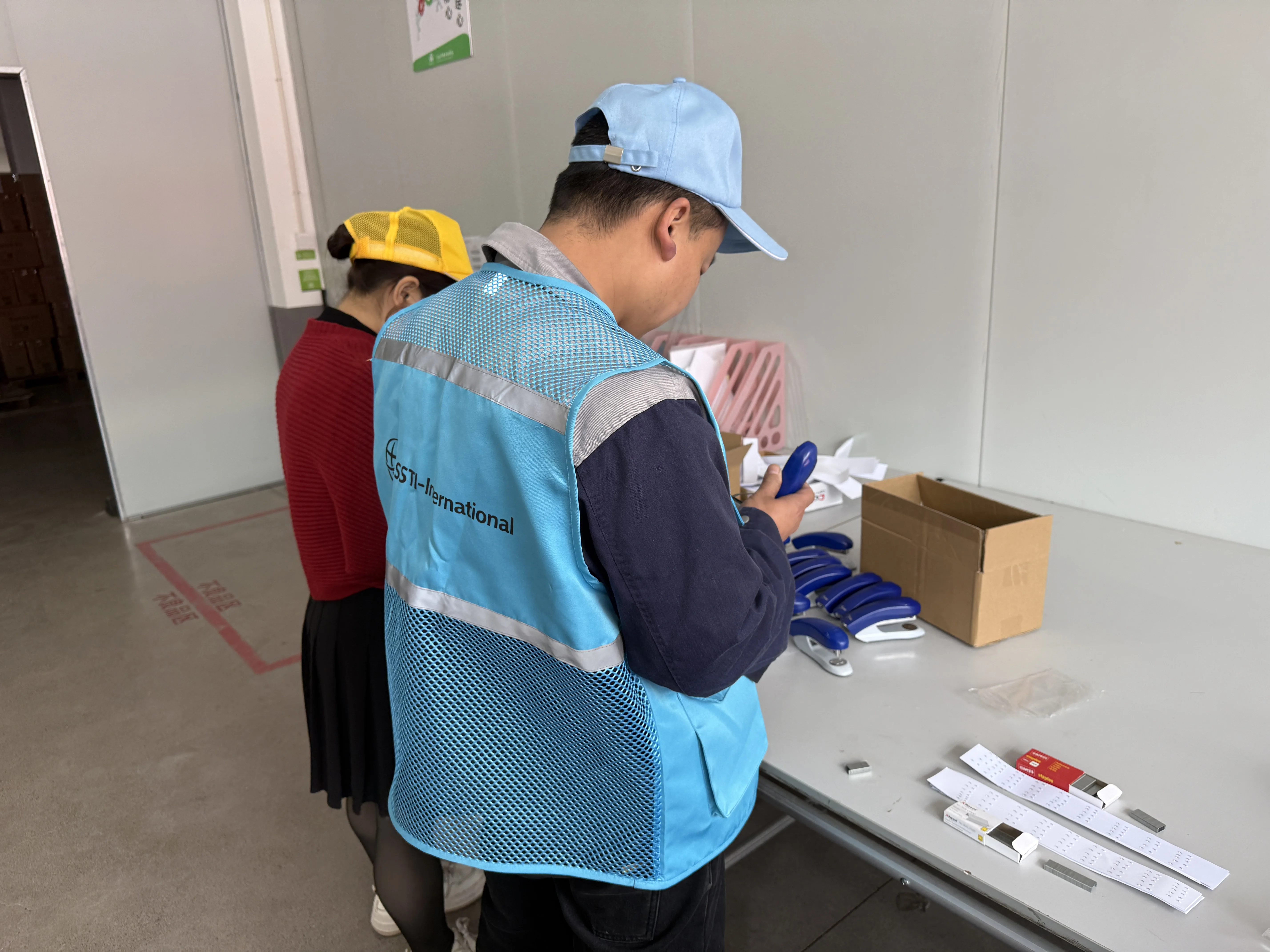
Inspection work is performed directly in the production or loading environment.
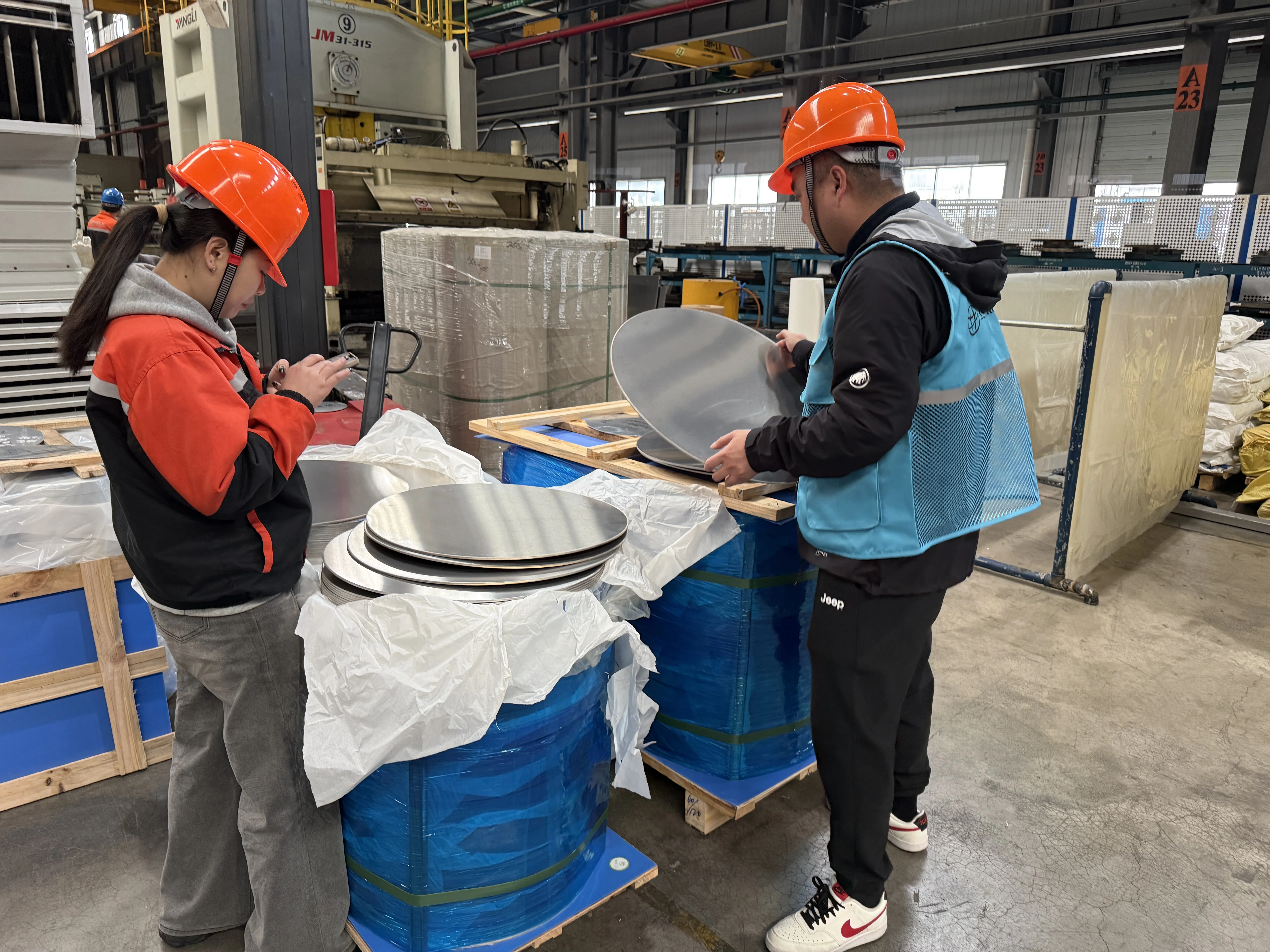
Findings are documented with photos and comments for buyer review.
Start the process
SSTI can respond more clearly when the buyer provides supplier city, product category, order quantity, schedule, and required service type.